
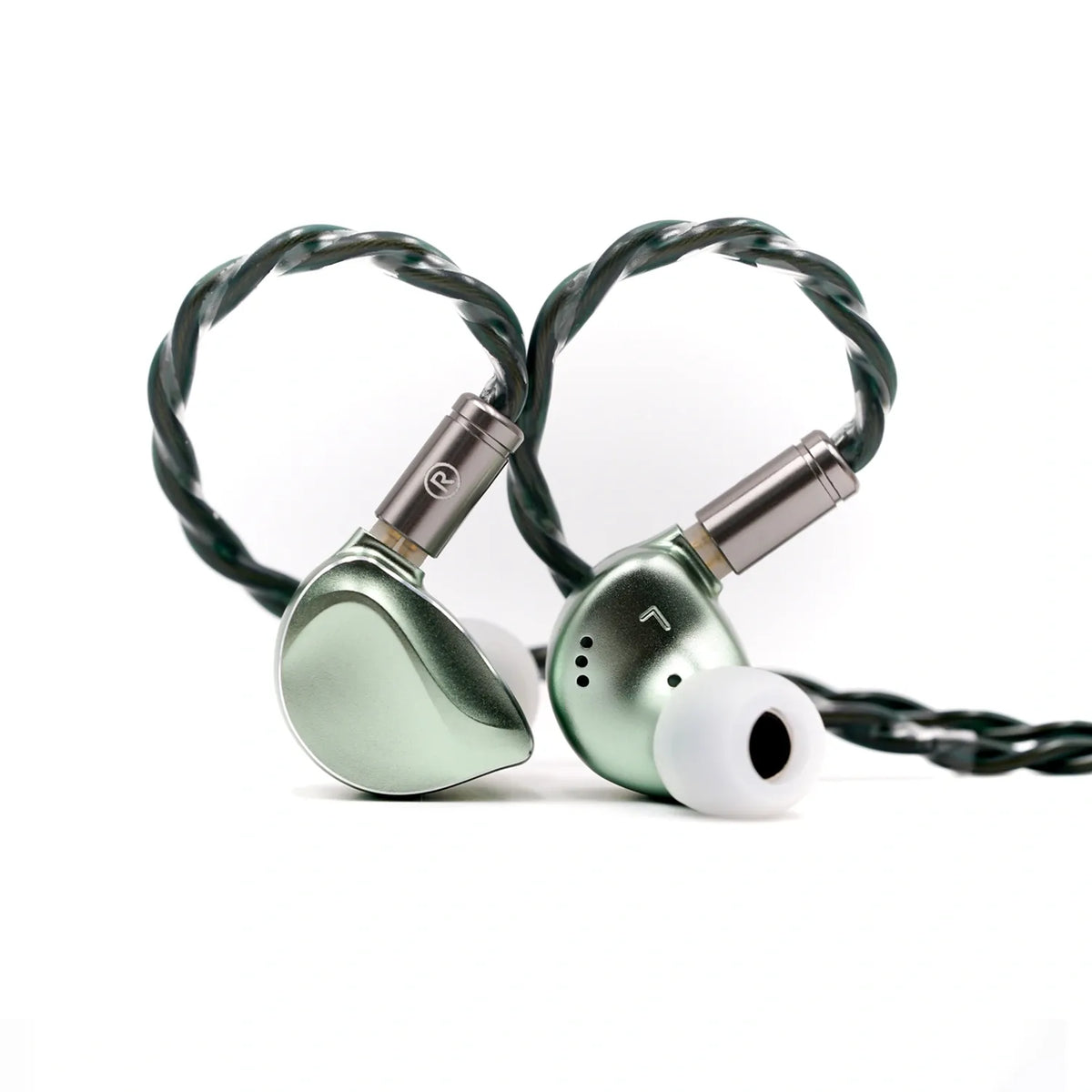
Why Do Singers Wear Earpieces? Complete Guide to In-Ear Monitors
Short answer: singers wear earpieces, called in-ear monitors (IEMs), for 5 reasons:
- To hear themselves clearly over a loud stage.
- To stay on pitch and in time with click tracks and cues the audience can’t hear.
- To protect their hearing by sealing out stage noise.
- To move freely instead of standing near floor monitors.
- To get the same sound at every venue, from clubs to stadiums.
Live concerts often leave audiences in awe. The lights, the energy, and the flawless vocal performances seem almost magical. Yet behind this magic lies sophisticated technology designed to help singers and musicians deliver their best. One of the most common questions fans ask is: why do singers wear earpieces during live shows?
Those discreet devices are called in-ear monitors (IEMs), and they serve critical functions such as improving sound clarity, protecting hearing, and keeping performers in sync with the band and backing tracks. But IEMs aren’t just for world-famous pop stars. They are used by musicians, fitness instructors, gamers, and even corporate speakers.
In this article, we’ll explore everything you need to know about in-ear monitors, from answering the central question of why singers rely on them to helping you choose the best IEMs for singers or even in-ear monitors for gaming. We’ll also look at how professional performers use them.
Part 1: Why Do Singers Wear Earpieces?
The main reason singers wear earpieces is control. Live stages are loud, unpredictable, and filled with distractions. Without monitors, singers risk singing off-key, missing cues, or even damaging their hearing. Here are the key benefits:
1. Hearing Themselves Clearly
When performing, singers must hear their own voice relative to instruments. With only loudspeakers or floor wedges, the sound may vary depending on stage position. In ear stage monitors provide a personalized mix delivered straight to their ears, ensuring vocal accuracy.
2. Hearing Protection
Concerts often exceed 100 decibels—levels that can cause permanent hearing damage. By wearing in-ear monitors musicians trust, singers block excessive external noise and reduce monitoring volume.
3. Synchronization with the Band
Modern concerts often use click tracks, cues, or pre-recorded elements. Earpieces allow singers to stay perfectly synchronized. For example, major touring artists rely on in-ear monitors for elaborate productions with choreography and digital effects.
4. Freedom of Movement
Traditional floor monitors lock performers into certain positions on stage. With wireless IEM systems, singers move freely without sacrificing audio clarity.
5. Consistency Across Venues
From stadium tours to small clubs, IEMs provide the same reliable monitoring experience. This consistency explains why top artists invest in the best in ear monitor earphones available.
In short, the answer to why do singers wear earpieces is simple: to perform with confidence, precision, and safety.
Part 2: Understanding In-Ear Monitors (IEMs)
To appreciate the value of IEMs, it’s helpful to understand how they work and what components make up a system. New to IEMs? Read What Are IEM Headphones?
Components of an In-Ear Monitor System
A standard wireless in-ear monitor system includes:
Earphones – Custom-molded or universal-fit devices that sit inside the ear canal.
Transmitter – Sends the audio mix wirelessly.
Receiver Pack – Worn on the performer’s belt or clothing to pick up the signal.
Custom vs. Universal Fit
Custom IEMs are molded to fit an individual’s ears perfectly, offering comfort and superior sound isolation.
Universal IEMs are more affordable and flexible, ideal for beginners or casual use.
Frequency Response and Drivers
High-quality IEMs may include multiple drivers for bass, mids, and treble. This makes them excellent for professional applications like good in ear monitors for singers.
Wired vs. Wireless
Wireless IEMs dominate live performances due to mobility.
Wired IEMs are still popular for studios, rehearsals and in-ear monitors for gaming, where mobility is less critical and latency must be minimal.
With these components, performers enjoy clarity, consistency, and the ability to focus on their craft.
Part 3: Best IEMs for Singers
The best IEM for singers makes your voice sound clear and natural in the mix, seals out stage noise, and stays comfortable through a full set.
What to look for in an IEM for singing
- Clear, natural mids: the vocal range should sound open, not buried under bass.
- Good isolation: a tight seal lets you monitor at a lower, safer volume.
- Comfort and secure fit: light shells and several ear tip sizes for long rehearsals and shows.
- Detachable cable: easy to replace if it gets damaged on stage.
- The right plug: 3.5mm for most monitor packs and mixers.
BQEYZ IEMs we recommend for singers
| IEM | Why it suits singers | Price from |
|---|---|---|
| BQEYZ Wind | Natural vocals and a wide soundstage from a dynamic + bone conduction design | $239 |
| BQEYZ Cloud | Clear, focused vocals without heavy bass | $169 |
| BQEYZ Vesper | Sweet, warm vocals with extra high-frequency detail from PZT bone conduction | $199 |
| BQEYZ BQ10 | Budget first IEM for practice and rehearsals | $29.99 |
What reviewers say: Head-Fi reviewer Jadedgem called the Cloud “made for vocals” (read the review summary), and RemedyMusic found the Winter2 “perfect for mid-centric listeners” (read the review summary). Compare every model in our best IEMs guide.
In Ear Stage Monitors for Bands
Bands often face a challenge: balancing sound for multiple musicians. In ear stage monitors solve this by giving each band member a personalized mix. The drummer can emphasize the click track, while the guitarist can focus on rhythm sections.
In-Ear Monitors for Gaming
The rise of streaming has made in-ear monitors for gaming increasingly popular. Compared to bulky over-ear headsets, IEMs provide lightweight comfort, accurate sound positioning and a discreet look on camera. See our guide to the best IEMs for gaming.
Part 4: Practical Tips for Using In-Ear Monitors
Buying IEMs is just the start; knowing how to use them effectively ensures maximum performance and protection.
1. Proper Fit is Essential
A secure seal blocks external noise and enhances bass response. Custom molds provide the best fit, but universal tips can also work if chosen carefully.
2. Control the Volume
One major reason why do singers wear earpieces is hearing protection. Avoid turning up the volume excessively—start low and increase gradually.
3. Customize Your Mix
Every performer has unique preferences. Singers often prioritize vocals, while drummers emphasize click tracks. Work with a sound engineer to adjust your mix.
4. Maintain Your Equipment
Clean IEMs regularly to prevent earwax buildup. Store them in protective cases to extend their lifespan. A well-maintained pair of best in ear monitor earphones can last for years.
5. Practice with IEMs
Switching from floor monitors to IEMs can feel isolating. Practice using them during rehearsals to adapt before performing live.
Part 5: Future Trends and Broader Applications
The world of IEMs is evolving rapidly, extending beyond professional musicians into everyday life.
1. Smart In-Ear Monitors
Future models may feature AI-driven automatic mixing, adjusting sound based on venue acoustics.
2. Bone Conduction Technology
BQEYZ already uses bone conduction in the Vesper, Winter2, Winter Ultra and Wind, adding a fuller, more immersive sound to a regular dynamic driver. Learn more in What Is a Bone Conduction IEM?
3. Expansion Beyond Music
The rise of in-ear monitors for gaming, fitness coaching, and broadcasting proves that IEMs are no longer limited to musicians. Even corporate professionals now use them during live events or presentations.
As demand grows, prices are becoming more accessible, and more users can enjoy the benefits once reserved for elite performers.
FAQ: Singers, Musicians and Earpieces
What is the earpiece that singers wear called?
It is called an in-ear monitor, or IEM. It looks like a small earphone and sits inside the ear canal.
What do singers hear in their earpiece?
They hear a personal monitor mix: usually their own vocals, key instruments, a click track for timing, and sometimes cues or talkback from the sound engineer.
Why can’t singers sing without an earpiece?
They can, but on a loud stage it is hard to hear their own voice over the band and the crowd. Without a clear monitor mix, singers may go off pitch or push their voice too hard. In-ear monitors put a clean mix of their voice right in their ears.
Why do singers hold their ears when they sing?
To hear themselves better. Pressing an earpiece in improves the seal and blocks crowd noise. Without earpieces, covering one ear helps a singer hear their own voice through their head, which makes pitch easier to judge.
Why do singers take off their earpieces?
Many singers take one earpiece out to hear and feel the crowd. Many engineers instead mix ambient crowd microphones into the monitor feed, so both IEMs can stay in for hearing protection.
Do singers hear the crowd?
Usually through crowd microphones added to their monitor mix. Because IEMs seal the ears, the crowd would otherwise sound distant.
Why do musicians use earpieces on stage?
Musicians use earpieces to hear a clear mix over the stage noise, keep time with the drummer or click track, move freely, and keep their hearing safe at loud shows.
Why do singers wear ear plugs?
What looks like an ear plug is usually an in-ear monitor. Like an ear plug, it seals the ear and blocks loud stage sound, but it also plays the singer’s monitor mix.
How much do earpieces for singers cost?
Universal-fit IEMs like ours start at $29.99 (BQEYZ BQ10). Custom-molded IEMs cost more because each pair is made from impressions of the singer’s ears, and a wireless monitor system adds a transmitter and receiver pack.
What is the best IEM for singers?
Look for clear, natural mids, good isolation and a comfortable fit. From BQEYZ, the Wind and Cloud are tuned for clear, natural vocals.
Conclusion: Why Do Singers Wear Earpieces?
The mystery behind singers’ earpieces is now clear. They are essential tools for precision, protection, and professionalism. Whether it’s a pop star staying in sync with the band or a fitness instructor staying connected with the music, IEMs are transforming performance across industries.
From good in ear monitors for singers to advanced wireless systems, the right choice depends on your needs and budget.
Where to start: the BQEYZ BQ10 is a great first IEM, the BQEYZ Wind is our pick for vocals, and the BQEYZ Winter2 is our bone-conduction flagship.
So the next time you wonder why do singers wear earpieces, remember: it’s not just about looking professional. It’s about delivering an unforgettable performance, staying safe, and ensuring the audience hears the best possible show.
Share:
What Should You Pay Attention to When Customizing Your Own Hifi IEM?
How to Visit an Audio and Video Exhibition Correctly: A Complete Guide