
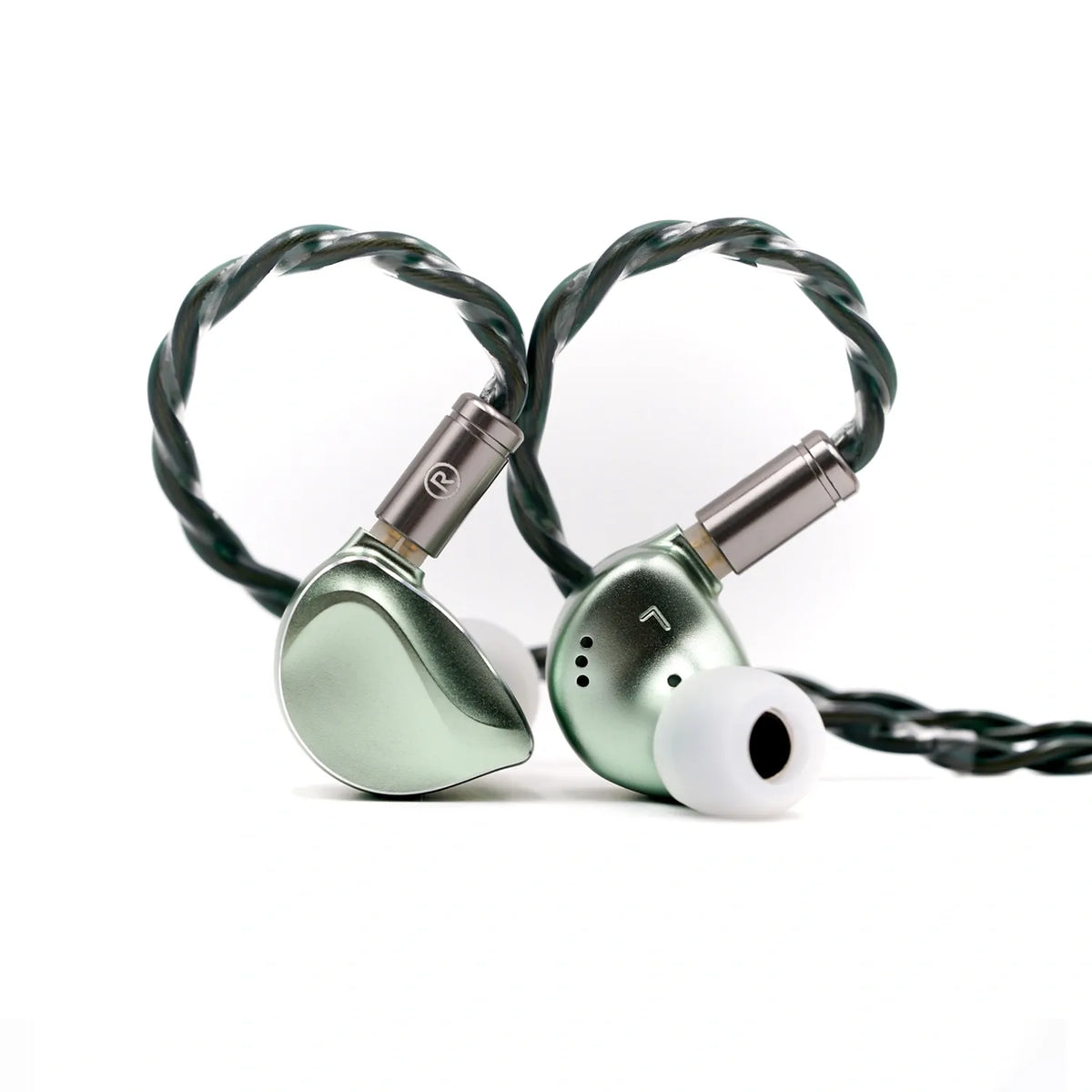
The Most Recommended IEM: A Complete Guide to In-Ear Monitors
Introduction: What Do In-Ear Monitors Do?
In the world of music, precision and clarity are everything. Whether you are a professional musician performing on stage, a sound engineer in a studio, or a music lover seeking immersive listening, one tool consistently stands out: in-ear monitors (IEMs).
But what do in ear monitors actually do? Simply put, they deliver accurate, detailed sound directly to your ears, allowing performers to hear themselves on stage without being drowned out by external noise, while giving audiophiles a personal concert-like experience. This is why so many people ask the question: What is the most recommended IEM?
The answer depends on your needs. In this guide, we will explore different types of IEMs, compare in-ear monitor vs earbuds, provide tips for buying the best monitor in ears, and ultimately help you choose the most recommended IEM for your unique situation. New to the topic? Start with What Are IEM Headphones?
Best IEMs: Our Recommended BQEYZ In-Ear Monitors
Want a quick answer? Here are the BQEYZ IEMs we recommend for different needs and budgets.
| IEM | Driver setup | Best for | Price from |
|---|---|---|---|
| BQEYZ BQ10 | 12mm dynamic driver (1DD) | First IEM on a budget | $29.99 |
| BQEYZ NI | Ceramic acoustic technology | Gaming and music | $49.90 |
| BQEYZ Cloud | 10mm dynamic + 6.8mm air-assisted diaphragm | Clear, focused vocals | $169 |
| BQEYZ Frost | 10mm dynamic + micro planar | Punchy bass, airy detail | $179 |
| BQEYZ Vesper | 10.8mm dynamic + PZT bone conduction | Newest bone conduction hybrid | $199 |
| BQEYZ Wind | 10mm dynamic + 10mm bone conduction | Natural vocals, wide soundstage | $239 |
| BQEYZ Winter Ultra | Dynamic + bone conduction | High-resolution detail | $279 |
| BQEYZ Winter2 | 12mm dual-cavity dynamic + 11.6mm mid-high driver | Immersive, balanced sound | $319 |
Compare every model in our BQEYZ IEM collection.
Types of In-Ear Monitors and Their Applications
When it comes to IEMs, not all are created equal. Different models serve different purposes, from professional use to casual enjoyment. Let’s break down the major categories.
1. In Ear Studio Monitors
In ear studio monitors are designed with accuracy in mind. Their goal is to reproduce sound as faithfully as possible, without boosting or suppressing frequencies. This makes them ideal for mixing, mastering, or recording music. Studio professionals often prefer them because they offer:
- Flat frequency response for precise sound reproduction
- Isolation from external noise, ensuring a controlled listening environment
- Comfort for long studio sessions
If your priority is sound accuracy rather than heavy bass or exaggerated treble, studio IEMs are often the most recommended option.
2. In Ear Stage Monitor System
Performers on stage need a reliable way to hear their own voice and instruments clearly, despite the loud environment around them. This is where the in ear stage monitor system comes in. Unlike traditional floor wedge monitors, these systems provide:
- Personal mixes tailored to each performer
- Reduced risk of hearing damage from loud stage speakers
- Mobility and freedom to move on stage without losing sound clarity
For singers, guitarists, drummers, and other live performers, stage monitor IEMs are often considered the most recommended choice. See why singers wear earpieces.
3. In Ear Professional Monitors
In ear professional monitors take things a step further. These models often include advanced driver configurations (such as multiple balanced armature or hybrid setups) to deliver exceptional sound quality. They are widely used by touring musicians, audio engineers, and serious enthusiasts. Key benefits include:
- Customizable fit for maximum comfort
- Multi-driver setups for enhanced detail across all frequencies
- High durability for frequent use
These professional-grade IEMs are often recommended for anyone who demands the absolute best performance.
4. Monitor In Ears for Music Enthusiasts
Not everyone needs a professional setup. Many listeners simply want high-quality monitor in ears for everyday music enjoyment. These IEMs provide:
- Enhanced sound clarity compared to standard earbuds
- Better noise isolation, making them ideal for commuting or travel
- More immersive listening, thanks to deeper bass and clearer highs
For casual listeners, in ear monitors for music offer a significant upgrade from typical consumer earbuds.
5. In-Ear Monitor vs Earbuds
A common question is: What’s the difference between an in-ear monitor vs earbuds? While both are inserted into the ear, the differences are significant:
- IEMs: Designed for accurate sound reproduction, professional use, and high-fidelity listening. They offer better noise isolation and durability.
- Earbuds: Often cheaper and more consumer-focused, prioritizing convenience over precision. They usually rest at the edge of the ear rather than sealing inside.
If you’re looking for serious sound quality, in ear monitors are generally the recommended choice over regular earbuds.
Key Factors to Consider When Choosing the Most Recommended IEM
Selecting the right IEM can feel overwhelming with so many options available. Here are the most important aspects to keep in mind.
1. Sound Quality
For many, this is the top priority. Look for:
- Balanced frequency response for professional use
- Enhanced bass if you prefer energetic music
- Wide soundstage for immersive listening
2. Comfort & Fit
A good IEM should feel secure without causing discomfort. Custom molds or multiple ear tip options can greatly improve fit.
3. Durability & Build Quality
If you plan to use IEMs on stage or during travel, durability is essential. Strong cables, reinforced connectors, and water-resistant designs can make a big difference.
4. Wired vs Wireless Options
- Wired IEMs: Offer consistent, reliable sound quality without latency. Preferred by professionals.
- Wireless IEMs: Provide freedom of movement, ideal for casual listeners and certain stage performers.
5. Price Range Considerations
- Entry-level: Affordable and suitable for beginners exploring IEMs.
- Mid-range: Balanced choice between performance and cost.
- High-end: Professional-grade models with multiple drivers and advanced features.
Buying Guide – Where and How to Get IEMs
Finding the most recommended IEM also depends on where you purchase it. Here are some tips.
Best Buy In Ear Monitors
Some consumers look for the best buy in ear monitors that offer a balance of quality and affordability. These are often ideal for students, hobbyists, or casual musicians.
Amazon In Ear Monitors
Platforms like Amazon provide a wide selection of in ear monitors, making it easy to compare models, read reviews, and find deals. However, it’s important to check:
- Verified reviews from real users
- Product specifications to ensure they match your needs
- Return policies in case the fit or sound doesn’t meet expectations
How to Avoid Low-Quality Products
- Don’t choose solely based on price; extremely cheap options often compromise sound quality and durability
- Pay attention to customer feedback about comfort, longevity, and actual performance
- Look for detailed specifications rather than vague descriptions
Practical Buying Tips
- Test different ear tips to ensure a secure fit
- If possible, audition the IEMs before purchasing
- Consider accessories like detachable cables or carrying cases for added convenience
IEM FAQ
What are IEMs?
IEMs (in-ear monitors) are earphones that sit inside the ear canal and seal it, giving accurate, isolated sound. Musicians use them on stage, and audiophiles and gamers use them for detailed listening.
Are IEMs better than earbuds?
For sound quality and noise isolation, usually yes. IEMs seal the ear canal and use tuned drivers, while most earbuds rest at the ear opening and focus on convenience.
What is the most recommended IEM for beginners?
A single dynamic driver IEM such as the BQEYZ BQ10 is an easy first step. For more detail, a hybrid like the Frost or Vesper is the next step up.
What is a hybrid IEM?
A hybrid IEM combines two or more driver types, such as a dynamic driver with a bone conduction or planar driver. See Hybrid IEM vs Dynamic IEM and What Is a Bone Conduction IEM?
Do IEMs need a DAC or amp?
Most BQEYZ IEMs are easy to drive from a phone. A small USB-C DAC such as the BQEYZ C30 helps with phones that have no headphone jack.
Conclusion: The Most Recommended IEM for Different Users
So, what is the most recommended IEM? The answer depends entirely on your needs:
- For sound engineers and producers, in ear studio monitors are the most recommended, thanks to their accuracy and reliability.
- For live performers, the in ear stage monitor system provides unmatched clarity and control during performances.
- For professionals demanding top-tier performance, in ear professional monitors offer the highest level of detail and customization.
- For music enthusiasts, in ear monitors for music deliver a major upgrade over standard earbuds, providing richer and more immersive sound.
Ultimately, the best IEM isn’t one single product—it’s the one that fits your purpose. Whether you buy from Best Buy in ear monitors, browse Amazon in ear monitors, or explore specialized retailers, the key is to prioritize sound quality, comfort, and durability.
By understanding your own listening needs and applying the tips in this guide, you’ll be well on your way to finding the most recommended IEM for your lifestyle. Ready to choose? Shop BQEYZ IEMs.
Share:
How Do BQEYZ Wind Bone Conduction Headphones Work and What Are Their Benefits?
How to Get Started with HiFi Headphones: A Complete Beginner’s Guide