
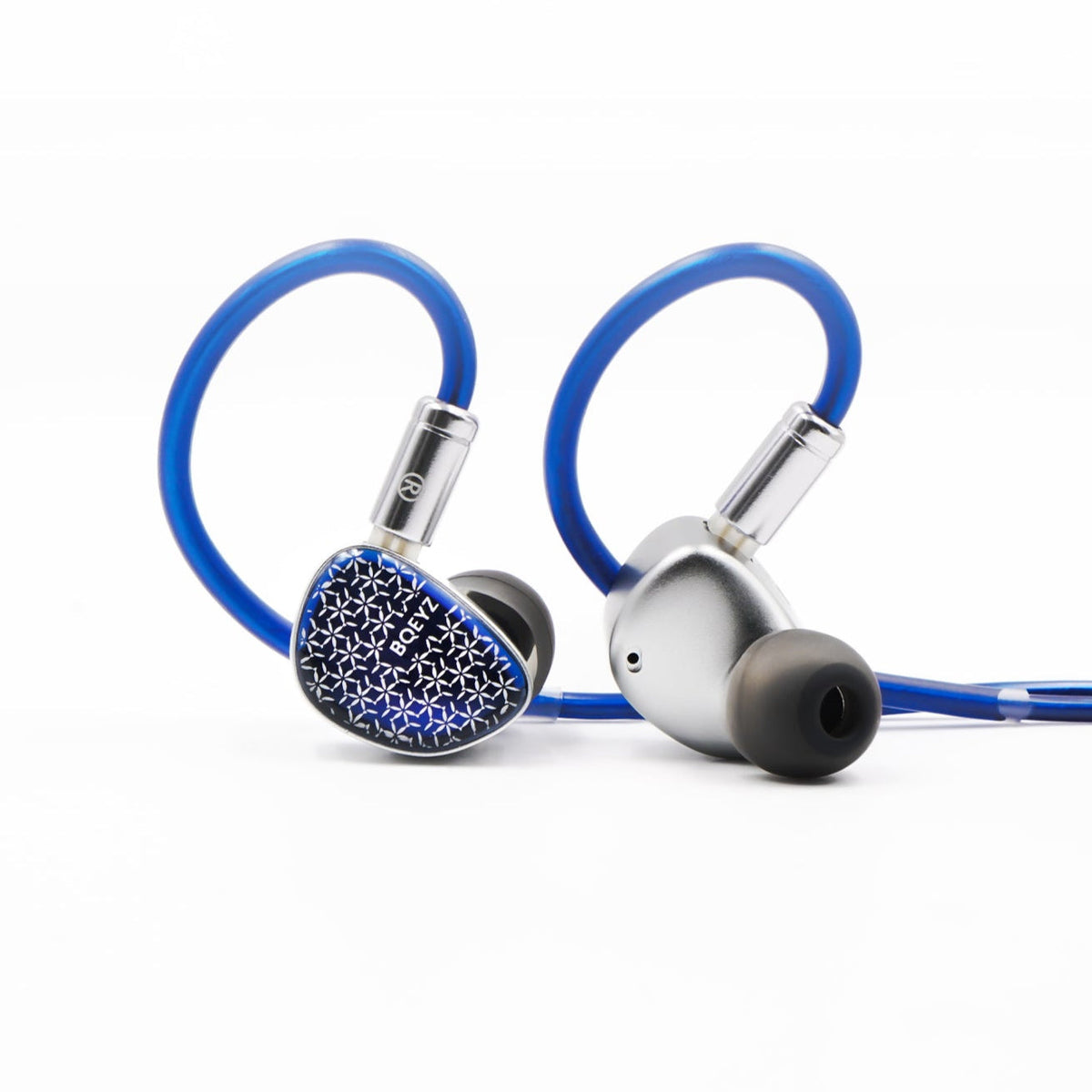
What Is IEM Headphones? Complete Guide to In-Ear Monitors for Music, Gaming, and Stage
Short answer: IEM headphones (in-ear monitors) are earphones that sit inside the ear canal and seal it. They deliver clear, accurate sound with strong noise isolation, which is why musicians use them on stage and gamers and audiophiles use them every day.
Introduction: What Is IEM Headphones?
If you have ever seen a live concert, you may have noticed that singers and instrumentalists often wear small earpieces instead of relying only on large stage speakers. Those little devices are called IEM headphones, short for In-Ear Monitors (IEMs). But what is IEM headphones, and why are they so widely used not only by professionals but also by everyday listeners and gamers?
In ear monitors headphones are specialized audio devices that deliver clear, accurate sound directly into the ear canal. Unlike consumer earbuds, which focus on casual listening and usually emphasize bass-heavy sound signatures, IEMs are designed for precision, noise isolation, and durability. Originally developed for musicians and sound engineers, they have now gained popularity among audiophiles, streamers, and competitive gamers.
The rise of in-ear monitoring system technology has transformed how professionals perform and how audiences experience music. This guide explores the types, comparisons, usage tips, and buying advice for IEMs so that by the end, you’ll know exactly whether they are the right choice for you. Want product picks right away? See our best IEMs guide.
IEM Headphones vs Earbuds vs Over-Ear Headphones
| IEM headphones | Earbuds | Over-ear headphones | |
|---|---|---|---|
| Where they sit | Inside the ear canal, with a seal | At the ear opening | Around the ear |
| Noise isolation | High (passive seal) | Low | Medium to high |
| Sound detail | High, tuned drivers | Basic | High |
| Portability | Very small and light | Very small | Bulky |
| Best for | Stage, studio, gaming, HiFi music | Casual listening | Home and studio listening |
1. Understanding In-Ear Monitoring Systems
What Is an In-Ear Monitoring System?
An in-ear monitoring system (sometimes abbreviated as IEM system) is a setup that allows musicians, performers, and audio professionals to hear a personalized audio mix during a performance or recording session. Unlike traditional wedge monitors (stage speakers), an in-ear monitor system sends the sound directly into the ears of the performer, eliminating feedback issues and reducing stage noise.
A complete in-ear monitor system typically includes:
- IEM headphones (the ear pieces worn by the user)
- A transmitter (wired or wireless) that sends the audio signal
- A receiver (often wireless) that connects to the IEMs
How Do In-Ear Monitors Work?
Each earpiece holds one or more small drivers that turn the electrical signal into sound: a dynamic driver, a balanced armature, a planar driver or a bone conduction unit. IEMs that combine driver types are called hybrid IEMs. A silicone or foam tip seals the ear canal, so outside noise is blocked and you can hear detail at a lower volume.
Benefits of Using In-Ear Monitor Systems
- Noise Isolation – IEMs create a seal inside the ear canal, blocking out external noise from the crowd or environment.
- Personalized Sound – Each performer can hear a customized mix of instruments and vocals, making it easier to stay in tune and on rhythm.
- Mobility – With wireless systems, performers can move freely across the stage without losing their monitoring feed.
- Hearing Protection – By reducing the need for loud stage monitors, IEMs help prevent long-term hearing damage.
Where Are In-Ear Monitoring Systems Used?
- Live Concerts – To help singers hear themselves clearly despite loud band instruments and audience noise. Read why singers wear earpieces.
- Church Services – Worship bands often rely on IEMs for balanced sound in reverberant spaces.
- Broadcasting & TV Studios – Hosts and performers can receive cues directly without distracting background noise.
- Home Studios – Independent musicians and podcasters use IEMs for accurate monitoring.
- Gaming and Streaming – Competitive players adopt in ear gaming monitors to achieve superior sound accuracy.
2. Types of In-Ear Monitors and Key Comparisons
2.1 In Ear Monitors Headphones vs. Earbuds
One of the most common questions people ask is: what’s the difference between in ear monitors headphones and standard earbuds?
- Design Purpose: Earbuds are made for casual listening. IEMs are designed for professional monitoring and critical listening.
- Sound Signature: Earbuds usually boost bass to make music more exciting. IEMs strive for accuracy across lows, mids, and highs.
- Isolation: IEMs form a deeper seal, reducing noise significantly. Earbuds leak sound both in and out.
- Durability: Professional IEMs are built to withstand the rigors of stage use, while earbuds are often consumer electronics with shorter lifespans.
- Cost: Entry-level earbuds are cheap, while high end in ear monitors can cost hundreds or even thousands of dollars.
Thus, in the debate of in ear monitor vs earbuds, IEMs clearly dominate in precision and utility.
2.2 High End In Ear Monitors vs. Entry-Level Models
Not all IEMs are created equal. High end in ear monitors often use multiple drivers to separate sound frequencies with incredible detail. They also use premium materials and custom molds for maximum comfort and isolation.
By contrast, entry-level IEMs typically have a single dynamic driver. They are affordable and sufficient for casual musicians or gamers who want to try IEMs without a heavy investment.
- Entry-Level: Great for beginners exploring their first in-ear monitor system, such as the BQEYZ BQ10.
- Mid-Range: Hybrid or multi-driver designs for better clarity, such as the BQEYZ Frost or Vesper.
- High End In Ear Monitors: Advanced multi-driver models for touring musicians and audiophiles, such as the BQEYZ Winter2.
2.3 IEMs for Different Use Cases
- Stage Performance – Singers and guitarists rely on IEM systems to hear themselves accurately.
- Studio Recording – Producers use IEMs to catch subtle details missed by regular headphones.
- Gaming – Many players are switching to in ear gaming monitors for comfort and accurate positional sound. The BQEYZ NI is tuned for both gaming and music.
- Everyday Listening – Audiophiles enjoy IEMs for portable, high-quality sound on the go.
3. How to Use In-Ear Monitors Effectively
Many people buy IEMs but do not know how to use in ear monitors correctly. Here are some essential tips.
Getting the Right Fit
The most important part of IEM use is achieving a proper seal. Without it, bass response suffers and external noise leaks in. Most IEMs come with silicone and foam tips in different sizes, and memory foam tips can improve the seal further.
Using IEMs on Stage or in Studio
- Plug your IEMs into the in-ear monitor system receiver.
- Work with your sound engineer to create a personal mix that highlights what you need most (vocals, instruments, click track).
- Keep both earpieces in to protect your hearing and avoid imbalances.
Using IEMs for Gaming and Streaming
Competitive gamers are increasingly turning to in ear gaming monitors because they offer superior comfort and accurate positional audio. Unlike bulky headsets, IEMs are lightweight, reducing fatigue during long sessions. Pair them with a standalone microphone for clear communication, and you have a professional-grade in-ear monitor gaming setup. A small USB-C DAC such as the BQEYZ C30 helps with phones and consoles.
Maintenance and Care
- Clean ear tips regularly to prevent earwax buildup.
- Store IEMs in a protective case.
- Avoid excessive volume to protect hearing health.
4. Choosing the Right In-Ear Monitors: A Buying Guide
If you are ready to invest in IEMs, here are some factors to consider.
Key Factors to Evaluate
- Sound Quality – Do you need studio accuracy or a fun listening profile?
- Comfort & Fit – Especially important for long performances or gaming sessions.
- Durability – Professional-grade IEMs are built for stage conditions.
- Budget – Decide whether to go for affordable entry-level models or high end in ear monitors.
Budget-Based Recommendations
- Under $100: Entry-level IEMs for gamers and hobbyists, such as the BQEYZ BQ10 or NI.
- $100–$300: Mid-tier IEMs for enthusiasts, such as the Cloud, Frost, Vesper or Wind.
- $300+: High end in ear monitors such as the BQEYZ Winter2.
5. In Ear Monitor vs Earbuds: The Final Verdict
When comparing in ear monitor vs earbuds, the choice depends on your needs.
- For Musicians: IEMs are essential for accurate monitoring and hearing protection.
- For Gamers: In ear monitors headphones provide better clarity and comfort than bulky headsets.
- For Audiophiles: High end in ear monitors offer unmatched soundstage and detail.
- For Casual Listeners: Earbuds are affordable and convenient but lack the professional precision of IEMs.
IEM Headphones FAQ
Are IEMs good for gaming?
Yes. IEMs are light, comfortable for long sessions and give accurate positional sound, so you can hear footsteps and direction clearly. Many competitive players use them with a separate microphone.
Are IEMs good for music?
Yes. IEMs seal out noise and use tuned drivers, so music sounds more detailed than on standard earbuds, even at lower volume.
Why are IEMs better than earbuds?
They isolate more noise, sound more accurate, and usually have detachable cables and replaceable tips, so they last longer.
What IEMs do pros use?
Stage pros often use custom-molded multi-driver IEMs with a wireless system. Gamers and audiophiles mostly use universal-fit wired IEMs, which cost far less and still sound excellent.
What does IEM stand for?
IEM stands for in-ear monitor. Read more in What Does IEM Stand For?
Conclusion: Why You Should Consider IEMs
So, what is IEM headphones? They are professional-grade in-ear devices designed for accurate sound monitoring and noise isolation, widely used across music, gaming, and broadcasting.
Whether you’re exploring an in-ear monitoring system for stage performance, investing in high end in ear monitors for professional work, or experimenting with in ear gaming monitors, IEMs provide clarity and control that regular earbuds cannot match.
In the end, the choice between in ear monitor vs earbuds comes down to purpose. For serious audio experiences, IEMs are the superior option.
Explore BQEYZ in-ear monitors
Ready to try IEM headphones for yourself? Browse our full range of BQEYZ IEMs and in-ear monitors, or look at the new BQEYZ Vesper, a bone conduction hybrid IEM that pairs a 10.8mm dynamic driver with a direct-drive PZT bone conduction driver. You can also compare hybrid IEMs and bone conduction IEMs, or read our guide to hybrid IEM vs dynamic IEM.
Share:
How to Get Started with HiFi Headphones: A Complete Beginner’s Guide
BQEYZ Winter2 In-Ear Bone Conduction Dynamic Unit Hybrid Technology Explained